Lauretta Vinciarelli
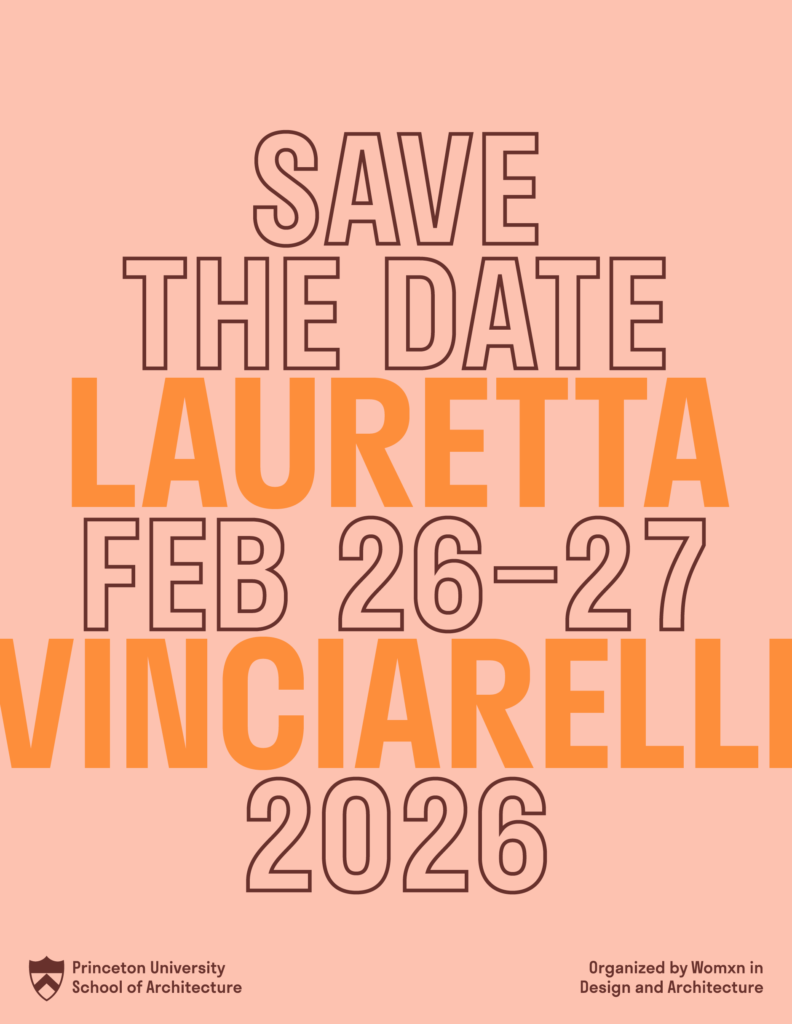
Lauretta Vinciarelli created a body of work that pushes disciplinary boundaries as an architect, artist, and educator. Upon earning her doctorate in architecture and urban planning at the Università di Roma La Sapienza in 1971, she moved to New York City, where she became involved in the Institute of Architecture and Urban Studies (IAUS). She held various teaching positions at Pratt Institute, Columbia University, The City College of New York, The University of Illinois at Chicago, and Rice University. As the only woman to be given a solo show by the IAUS and one of the first women to teach a studio course at Columbia University, Vinciarelli was a trailblazer.
Best known for her expressive watercolors, often categorized as “Paper Architecture,” Vinciarelli combined the practice of architecture and art. She treated drawing not as a representational tool, but as a method of inquiry. Using speculative and atmospheric media, Vinciarelli’s work invites reconsideration of architectural research. She pushed the boundaries for a new method of thinking through space, light, and structure, while emphasizing the importance of the specificity of place and engaging with vernacular styles, rejecting the universal building type. This conference examines the profound impact her contributions have had on the relationship between art, architecture, and ideology in both practice and academia.
Open and Free To All